Underground Habitats: Thermal Resilience
Introduction to Subterranean Urbanism
As surface temperatures reach unprecedented highs and surface weather events become more destructive, urban planners are exploring the vast potential beneath our feet. Subterranean habitats, or earth-sheltered architecture, offer a compelling adaptation strategy. By utilizing the earth's natural thermal mass, these environments maintain a stable, moderate temperature year-round, drastically reducing the energy required for artificial heating and cooling.
Historically utilized in extreme climates—from the troglodyte dwellings in arid regions to expansive modern underground pedestrian networks in freezing climates—the underground habitat is experiencing a technological renaissance. Modern implementations go beyond mere survival, aiming to create thriving, light-filled, and psychologically comfortable spaces that insulate populations from surface-level climatic volatility.
The Mechanism of Adaptation
The primary advantage of building underground is geothermal stability. A few meters below the earth's surface, the temperature remains relatively constant, unaffected by diurnal or seasonal surface fluctuations. In blistering summers, the surrounding earth acts as a massive heat sink; in freezing winters, it serves as unparalleled insulation.
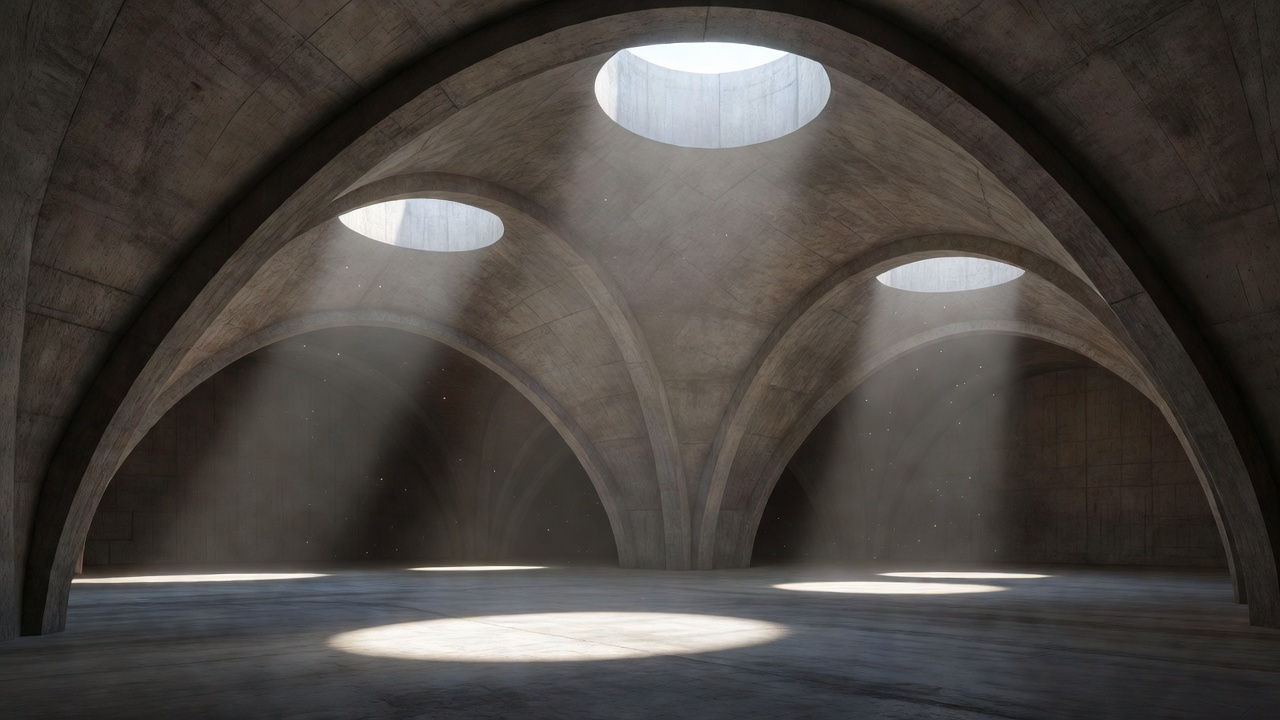
To overcome the inherent darkness of subterranean spaces, contemporary designs employ advanced light transmission technologies. Solar tubes, fiber-optic daylighting systems, and expansive central light wells capture sunlight at the surface and funnel it deep underground. This natural illumination is often supplemented by circadian lighting systems that mimic the shifting spectrum of the sun, mitigating the psychological effects of living away from direct daylight.
Design and Engineering Challenges
Excavation is inherently resource-intensive and expensive. Geotechnical surveys must account for bedrock composition, fault lines, and, crucially, the water table. Groundwater intrusion is the primary enemy of subterranean structures. Managing this requires extensive, multi-layered waterproofing membranes, robust perimeter drainage systems, and high-capacity sump pumps.
- Ventilation: Air quality must be aggressively managed to prevent the buildup of carbon dioxide, radon gas, and moisture. High-efficiency particulate air (HEPA) filtration and mechanical heat recovery ventilators (HRVs) are essential.
- Structural Load: The earth and water pressing against the structure create immense hydrostatic and lithostatic pressure, demanding heavily reinforced concrete and arched architectural forms to distribute the weight.
- Egress: Life-safety codes require multiple, rapidly accessible emergency exits to the surface, complicating deep-level designs.
Real-World Precedents
While fully autonomous underground cities are still developmental, significant precedents exist. Montreal's Underground City (RESO) spans over 32 kilometers of interconnected tunnels, insulating pedestrians and commerce from harsh Canadian winters. Similarly, in Coober Pedy, Australia, a significant portion of the population resides in "dugouts" carved into hillsides to escape surface temperatures that frequently exceed 40 degrees Celsius. These existing infrastructures prove that human psychology and physiology can adapt to subterranean environments when properly designed.
Pros and Cons
| Advantages | Disadvantages |
|---|---|
| Exceptional insulation and drastically lower HVAC costs. | High initial excavation and structural reinforcement costs. |
| Protection from extreme weather (hurricanes, tornadoes). | Psychological resistance to windowless environments. |
| Preservation of surface land for agriculture or rewilding. | Complex waterproofing and groundwater management. |
| Excellent acoustic insulation from urban noise. | Difficult and expensive retrofitting or expansion. |
Conclusion
Underground habitats provide a highly effective shield against the immediate physical dangers of a warming planet. The challenge lies not in the core concept—which has been proven across human history—but in scaling the technology to support dense urban populations comfortably and safely. By integrating advanced lighting, ventilation, and structural engineering, subterranean developments represent a profound, long-term strategy for climate adaptation.