Floating Cities: Adapting to Rising Seas
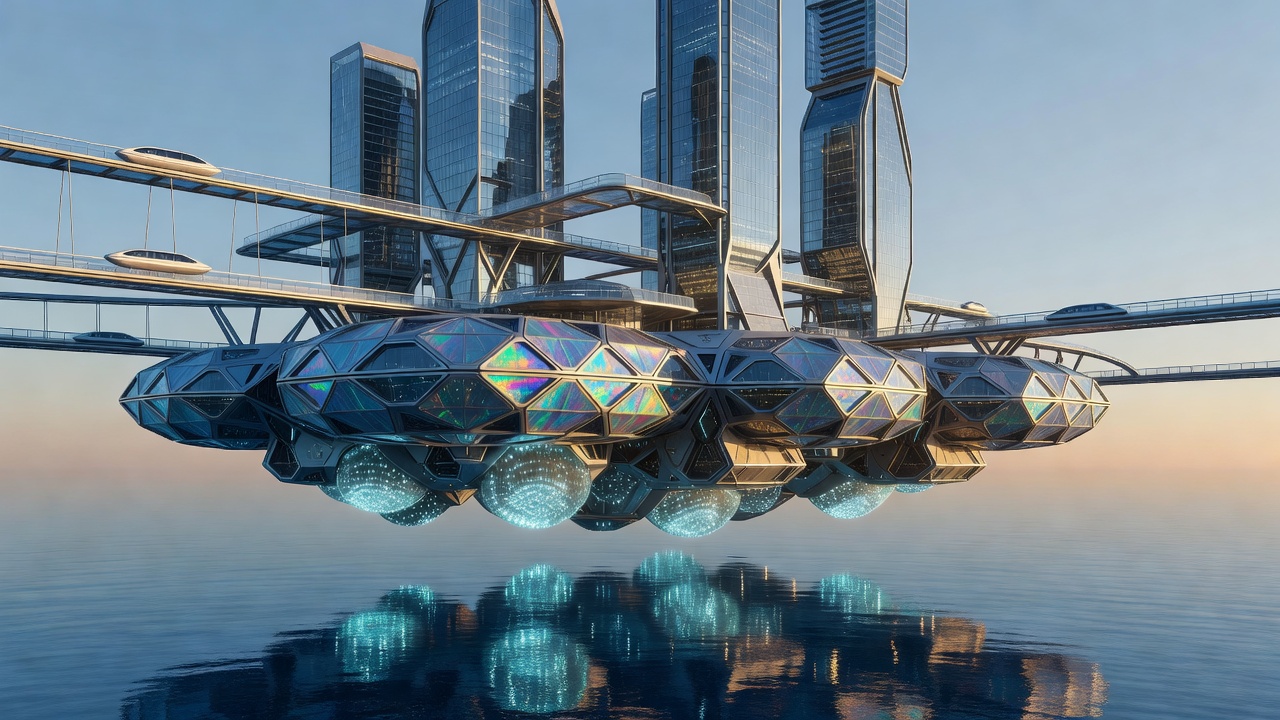
Introduction to Buoyant Urbanism
As coastal populations face the mounting threat of sea-level rise, urban planners and marine engineers are turning their attention from the land to the water. The concept of the floating city is no longer relegated to science fiction; it is rapidly becoming a pragmatic response to climate change. With global sea levels projected to rise significantly over the coming decades, static coastal defenses like sea walls and levees offer only temporary reprieves. Floating infrastructure, by contrast, adapts dynamically to varying water levels, ensuring long-term resilience.
The modern iteration of floating cities relies on modular, interconnected platforms. These platforms can be expanded, reconfigured, or entirely relocated depending on environmental conditions or demographic needs. By moving urban development onto the water, cities can alleviate land scarcity while simultaneously creating closed-loop, sustainable micro-economies that interact harmoniously with marine ecosystems.
The Mechanism of Adaptation
The engineering behind these habitats fundamentally relies on highly durable materials, typically biorock (seacrete) or specialized marine-grade concrete, which form the buoyant base of the platforms. These bases are filled with flotation materials or engineered with hollow, watertight compartments that provide necessary buoyancy even under massive structural loads.
Anchoring these immense structures presents a unique challenge. Rather than rigid pilings that disturb the seabed, advanced designs utilize dynamic tension moorings. These cables connect the platforms to the ocean floor while allowing for vertical movement to accommodate tides and extreme weather swells. Wave attenuation is handled by outer perimeter rings—sacrificial or resilient barriers that break the kinetic energy of incoming waves before they reach the inhabited center.
Design and Engineering Challenges
Constructing on the ocean brings severe logistical hurdles. The corrosive nature of saltwater accelerates material degradation, necessitating continuous maintenance and the use of expensive, corrosion-resistant alloys. Additionally, the platforms must be entirely self-sufficient regarding utilities.
- Energy: Power generation typically relies on a mix of solar panels, wind turbines, and ocean thermal energy conversion (OTEC).
- Water: Desalination plants and atmospheric water generators are required, paired with rigorous greywater recycling systems.
- Waste: Anaerobic digesters process organic waste, converting it into biogas for supplementary power and compost for localized agriculture.
The structural integrity of buildings placed upon these platforms is another concern. They must be constructed using lightweight, high-tensile materials—such as engineered timber or advanced composites—to keep the center of gravity low and prevent capsizing during severe cyclonic events.
Real-World Concepts and Prototyping
Several projects and frameworks have pushed this concept closer to reality. For instance, the proposed UN-backed Oceanix Busan framework in South Korea aims to demonstrate the viability of a flood-proof infrastructure that rises with the sea. These prototypes emphasize interconnected neighborhoods that can produce their own food and energy, drastically reducing the carbon footprint compared to traditional land-based urban expansions. While full-scale floating megacities remain in the conceptual or early prototyping phases, localized floating architecture, such as buoyant homes in the Netherlands, already demonstrates the functional viability of the core technology.
Pros and Cons
| Advantages | Disadvantages |
|---|---|
| Absolute immunity to flooding and sea-level rise. | High initial capital and development costs. |
| Highly scalable and modular urban planning. | Susceptibility to severe marine weather systems. |
| Alleviates pressure on densely populated coastal land. | Complex maintenance due to saltwater corrosion. |
| Potential for integrated marine habitat restoration. | Regulatory and jurisdictional ambiguities in open waters. |
Conclusion
Floating cities represent a bold paradigm shift in climate adaptation. While the economic barriers and engineering challenges are formidable, the necessity of creating resilient habitats for coastal populations may soon outweigh the costs. As materials science and marine engineering continue to advance, aquatic urbanism stands as one of the most promising avenues for adapting to a warming, water-bound world.